CONVENIENCE STORES
Konbini Shopping in Japan: Snacks, Prices and What Survives the Flight
A Japanese convenience store is not a last resort. People buy lunch, socks, concert tickets and gifts in them, and there are roughly 56,000 of them, so you are never far from one. For a visitor they are the cheapest and least intimidating place to start shopping.
Throughout this page, yen figures are converted at roughly 150 yen to the US dollar. Check the rate on the day.
The three chains, and what each is best at
7-Eleven, FamilyMart and Lawson carry similar things, but each has a category it does better. If you only walk into one, this is how to choose.
| Chain | Go there for | Notes |
|---|---|---|
| 7-Eleven | Own-brand sweets, coffee, sandwiches, rice balls | The largest chain and usually the strongest own-brand range. Its gold-labelled premium line is the one people bring home. |
| FamilyMart | Own-brand clothing, seasonal sweets, hot food counter | The clothing line is genuinely useful if you underpacked socks or a t-shirt. Anything from the hot counter is food to eat in Japan, never something to pack. |
| Lawson | Desserts and bakery | Its dessert line is the one Japanese people name first. Natural Lawson branches carry more health-oriented snacks. |
Nine snacks worth buying, and what they cost
These are the ones that are easy to find, cheap, and sensible to carry. Prices are typical, tax included.
| Item | Typical price | Why it is on this list |
|---|---|---|
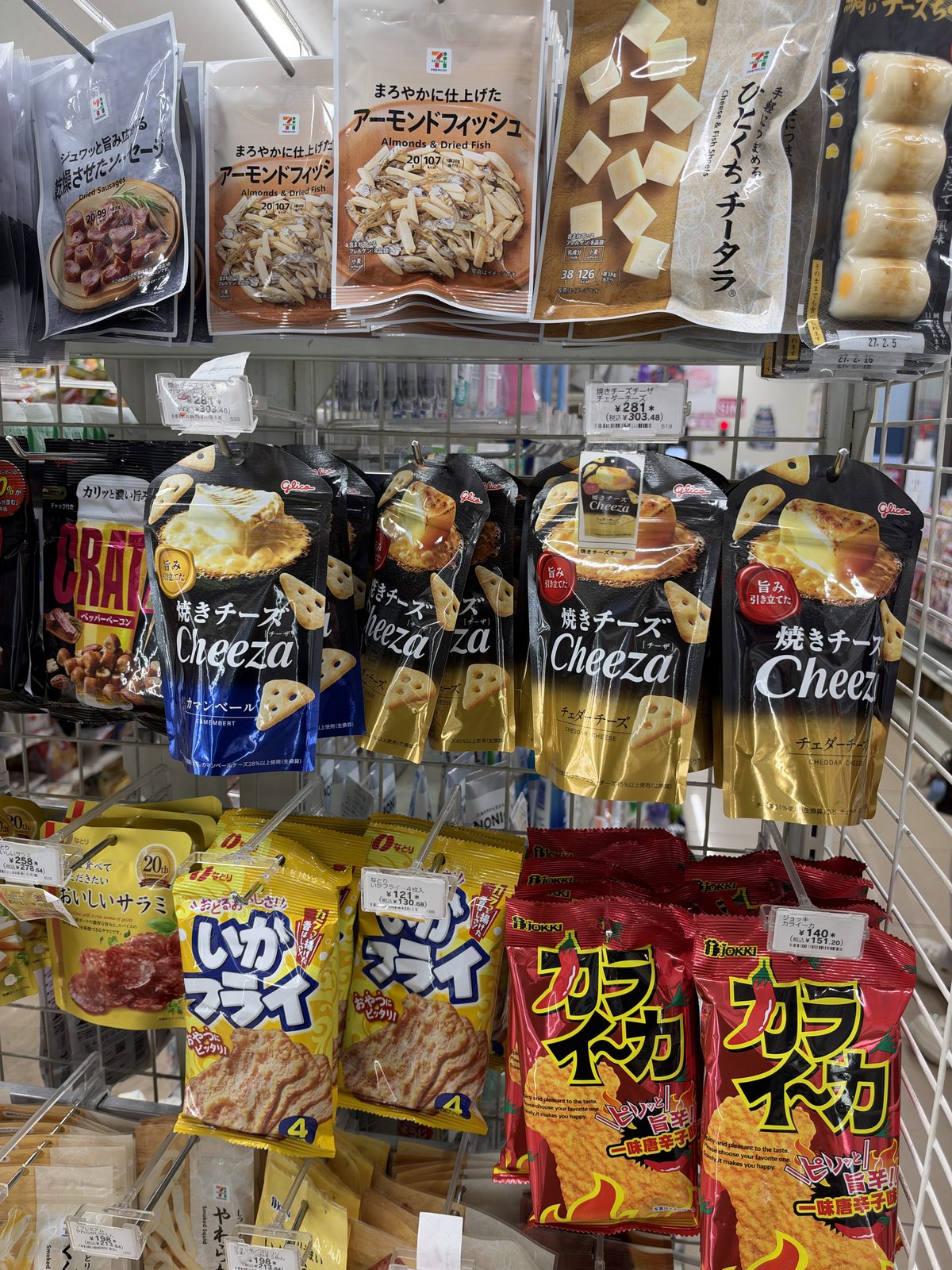
| Regional KitKat | 800–1,200 yen a box ($5–$8) | Flavours change by region and season. Boxes of individually wrapped bars are built for handing out at an office. |
| Senbei and rice crackers | 150–350 yen ($1–$2.30) | Flat, light and sturdy. The single best snack-to-suitcase-space ratio on this list. |
| Soft candy (Hi-Chew and similar) | 120–180 yen ($0.80–$1.20) | Cheap, individually wrapped, and flavours you will not see at home. |
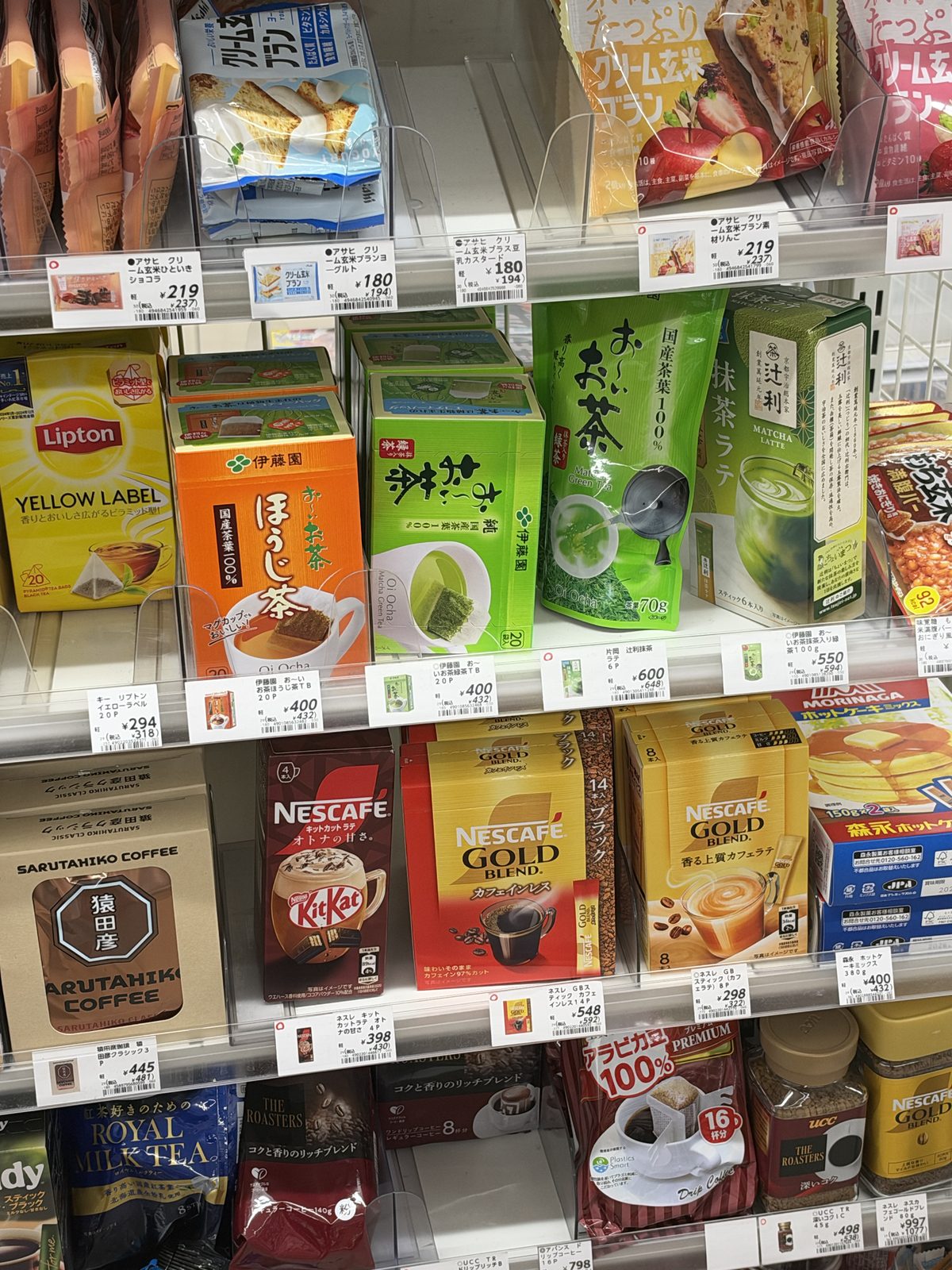
| Instant coffee jar | 600–1,000 yen ($4–$7) | A normal gift in Japan and one of the few grocery items that travels without worry. |
| Tea bags (sencha, hojicha, mugicha) | 300–600 yen ($2–$4) | Boxed bags are light, flat and allowed into all four countries in the customs section below. |
| Mochi-style chews (Yukimi, daifuku) | 150–300 yen ($1–$2) | Eat these in Japan. They are chilled and will not survive a flight. |
| Seasonal pudding and chilled desserts | 200–400 yen ($1.30–$2.70) | Lawson is the chain to try first. Again, eat before you fly. |
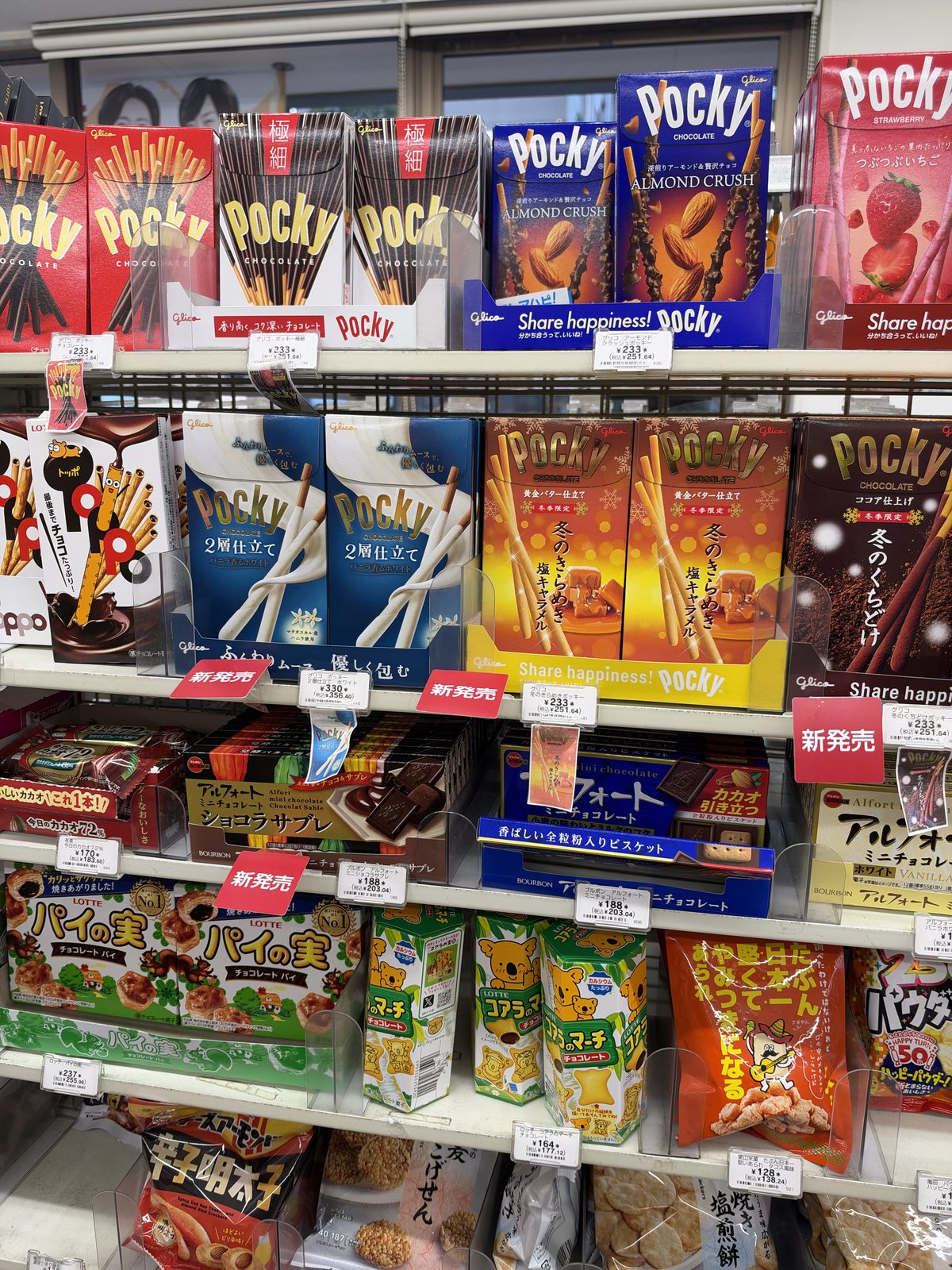
| Chocolate biscuit sticks (Pocky and similar) | 150–300 yen ($1–$2) | Widely sold abroad, but the Japanese seasonal flavours are not. |
| Canned or bottled tea | 130–180 yen ($0.90–$1.20) | Not for packing. Worth knowing because unsweetened green tea is the default here, and many visitors are surprised. |
What a 500-yen konbini breakfast looks like
Around 500 yen, about $3.40, buys a real breakfast. Four combinations that work, built from what is actually on the morning shelf:
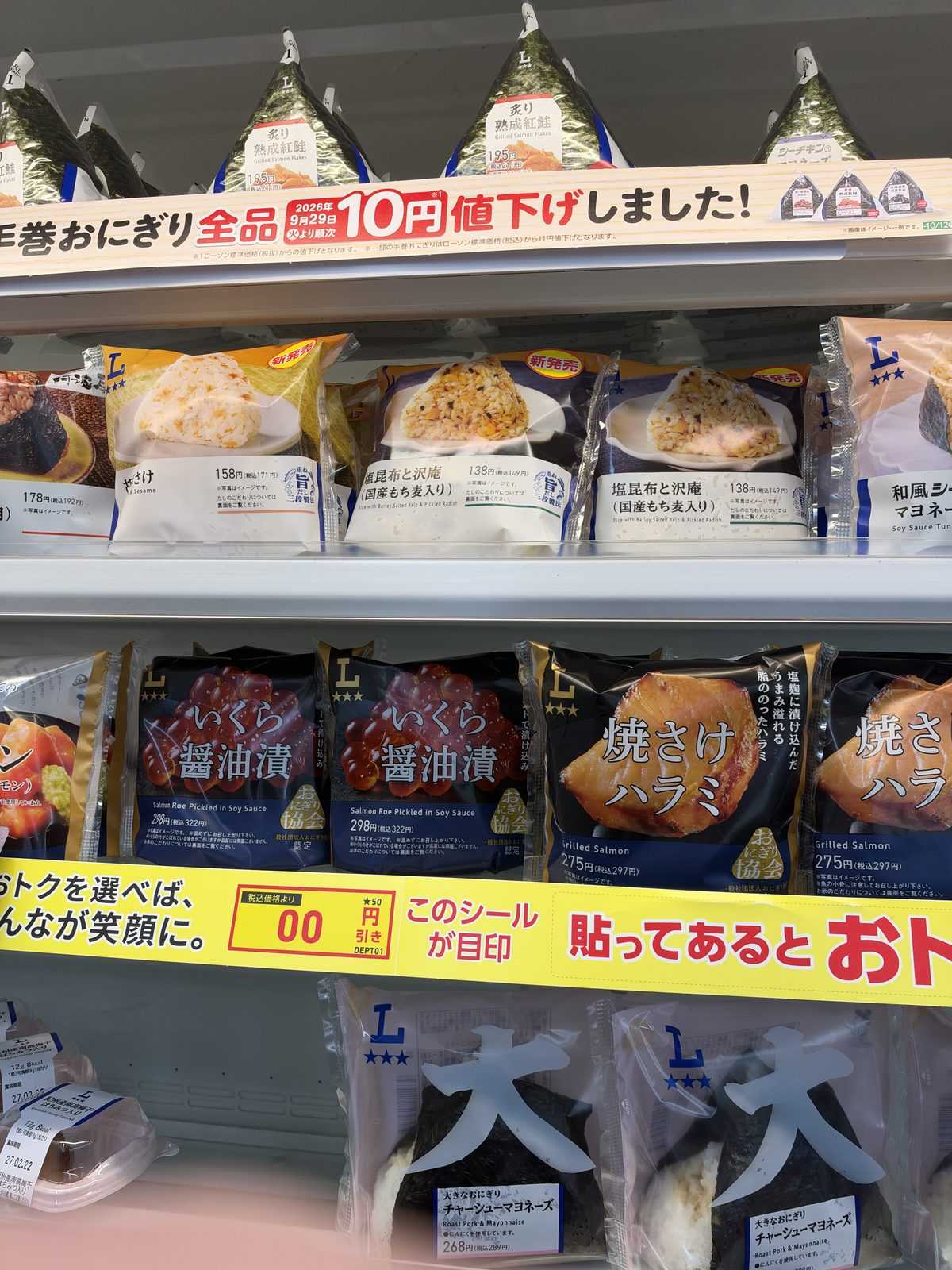
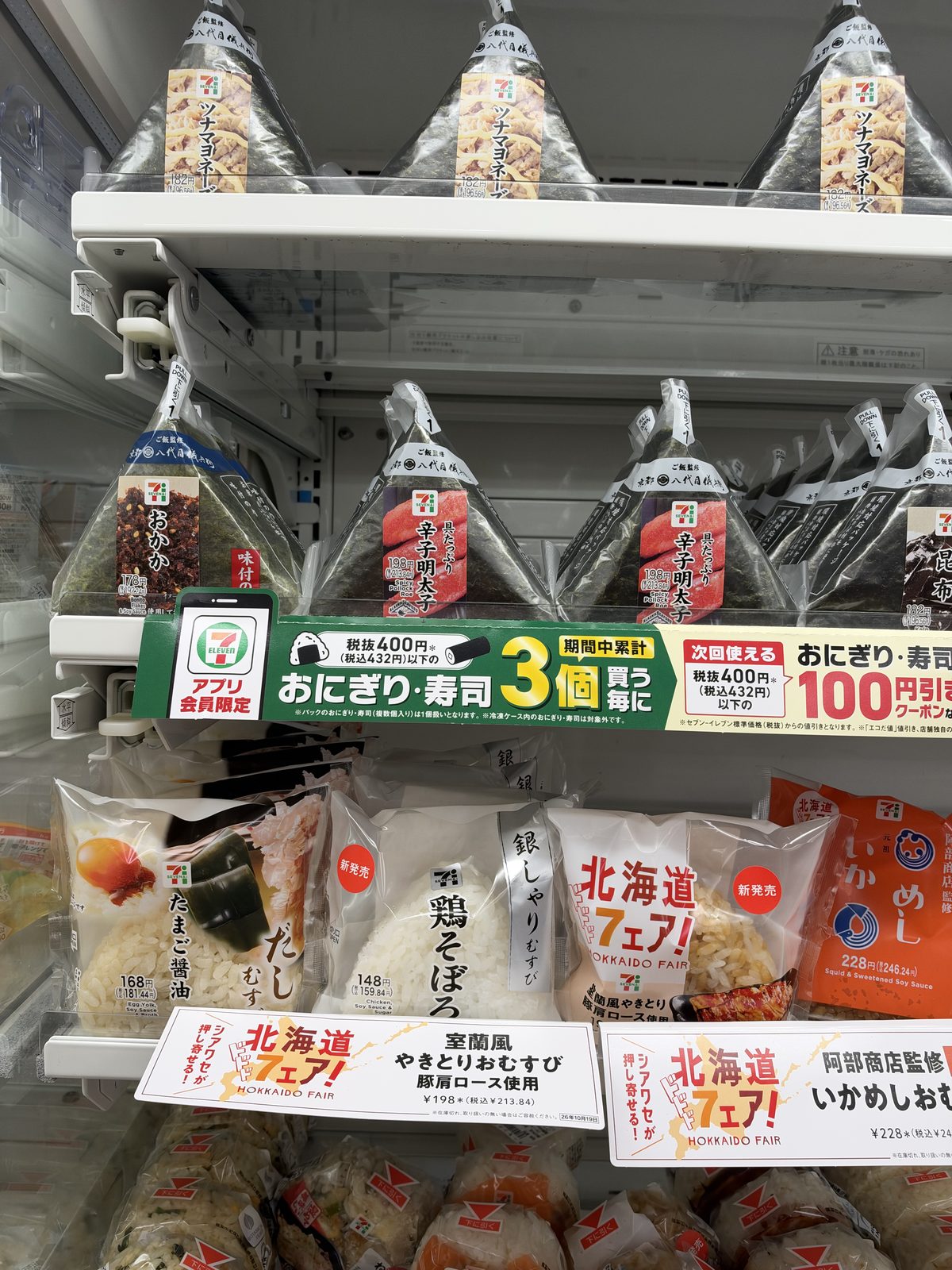
- Two rice balls and a bottled tea. Roughly 150–250 yen each for the onigiri, 130–180 for the drink. Salmon and kelp are the safe first choices.
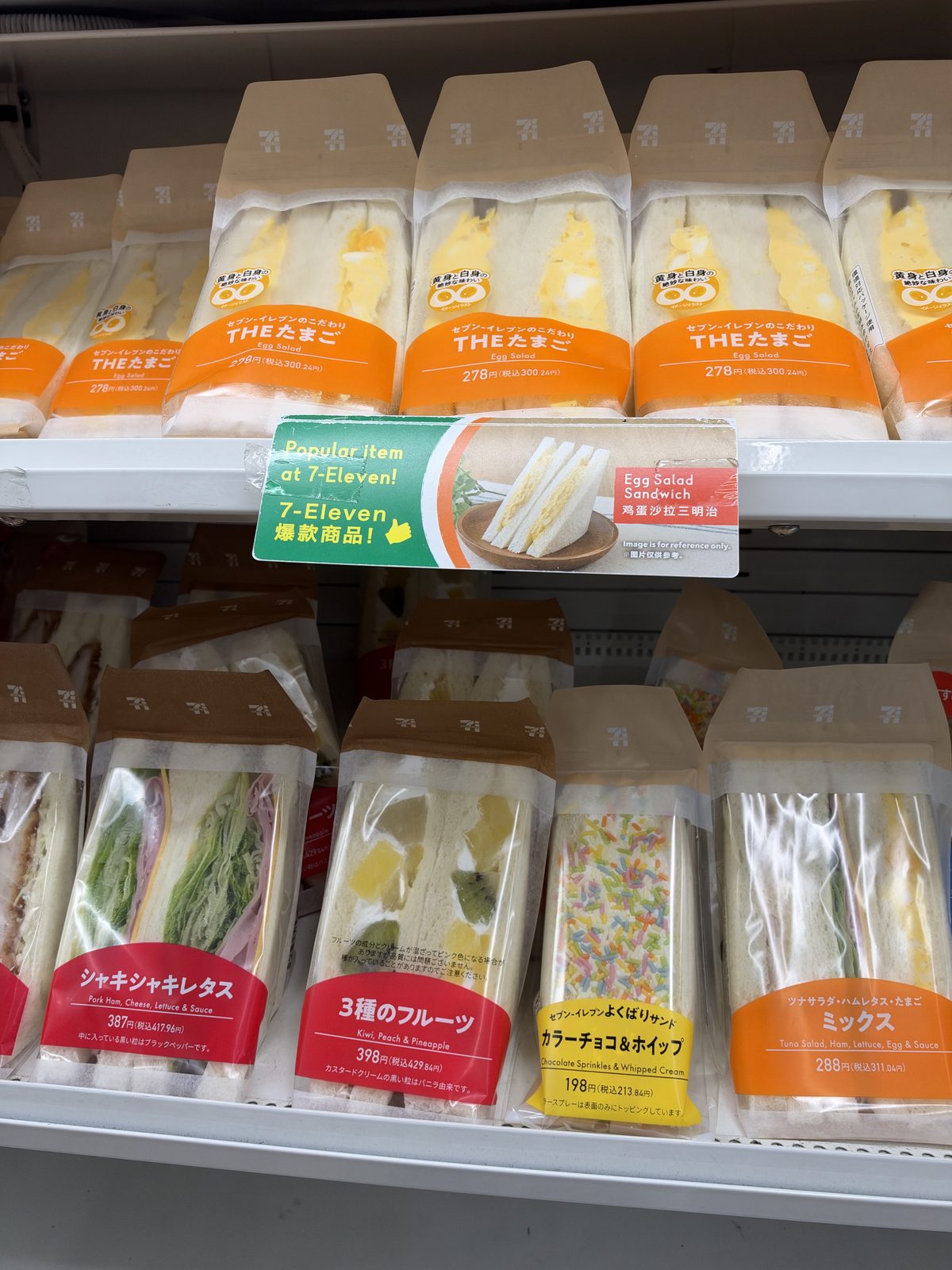
- An egg sandwich and a coffee. The egg sandwich is a national institution and costs 250–350 yen. Machine coffee is 120–200 yen.
- A pastry, a banana and a yogurt drink. Around 150, 120 and 150 yen. The lightest option if you are heading straight out.
- A bowl of miso soup and a rice ball. Instant miso cups are 120–200 yen and most stores have hot water at the counter.
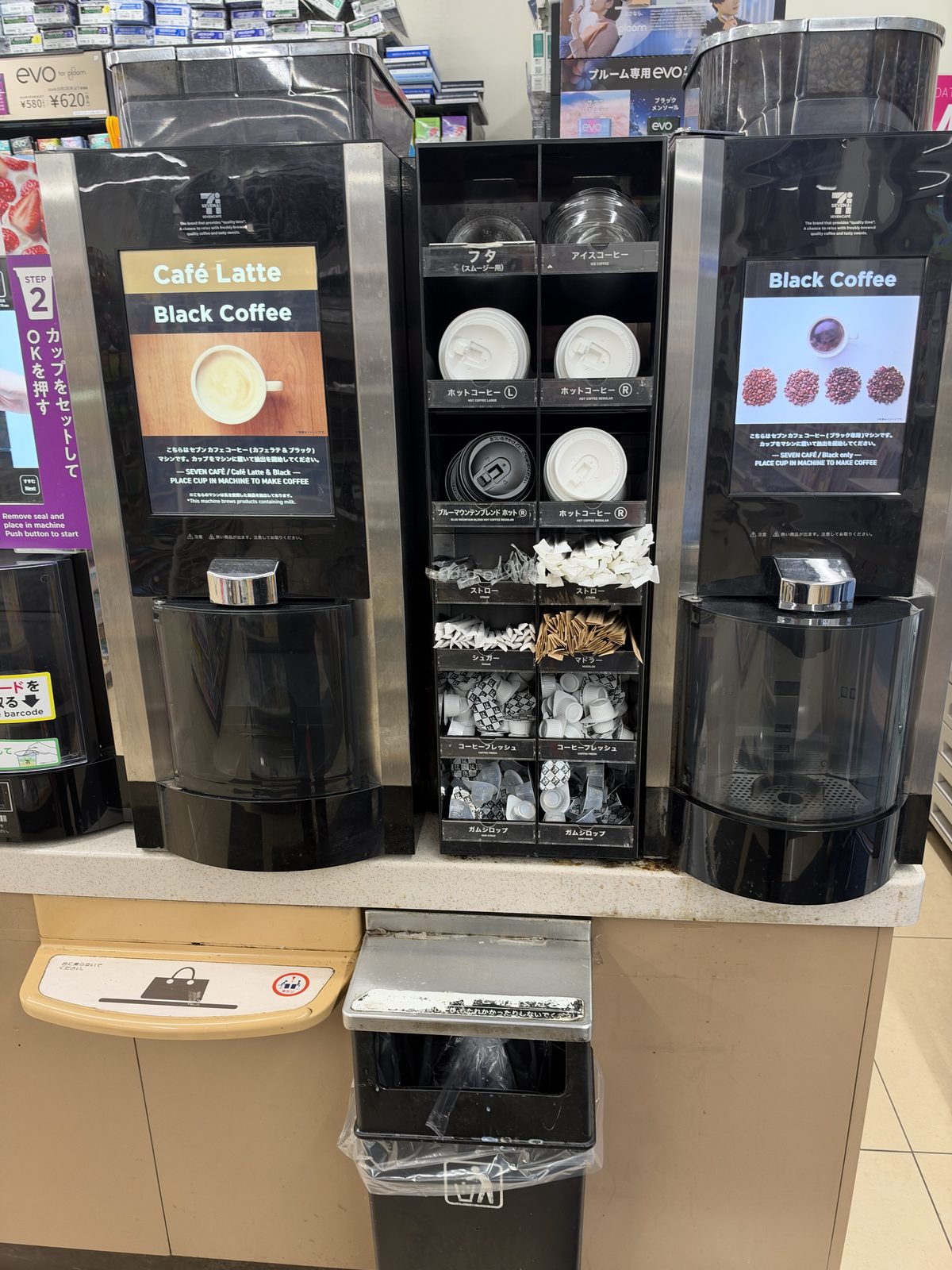
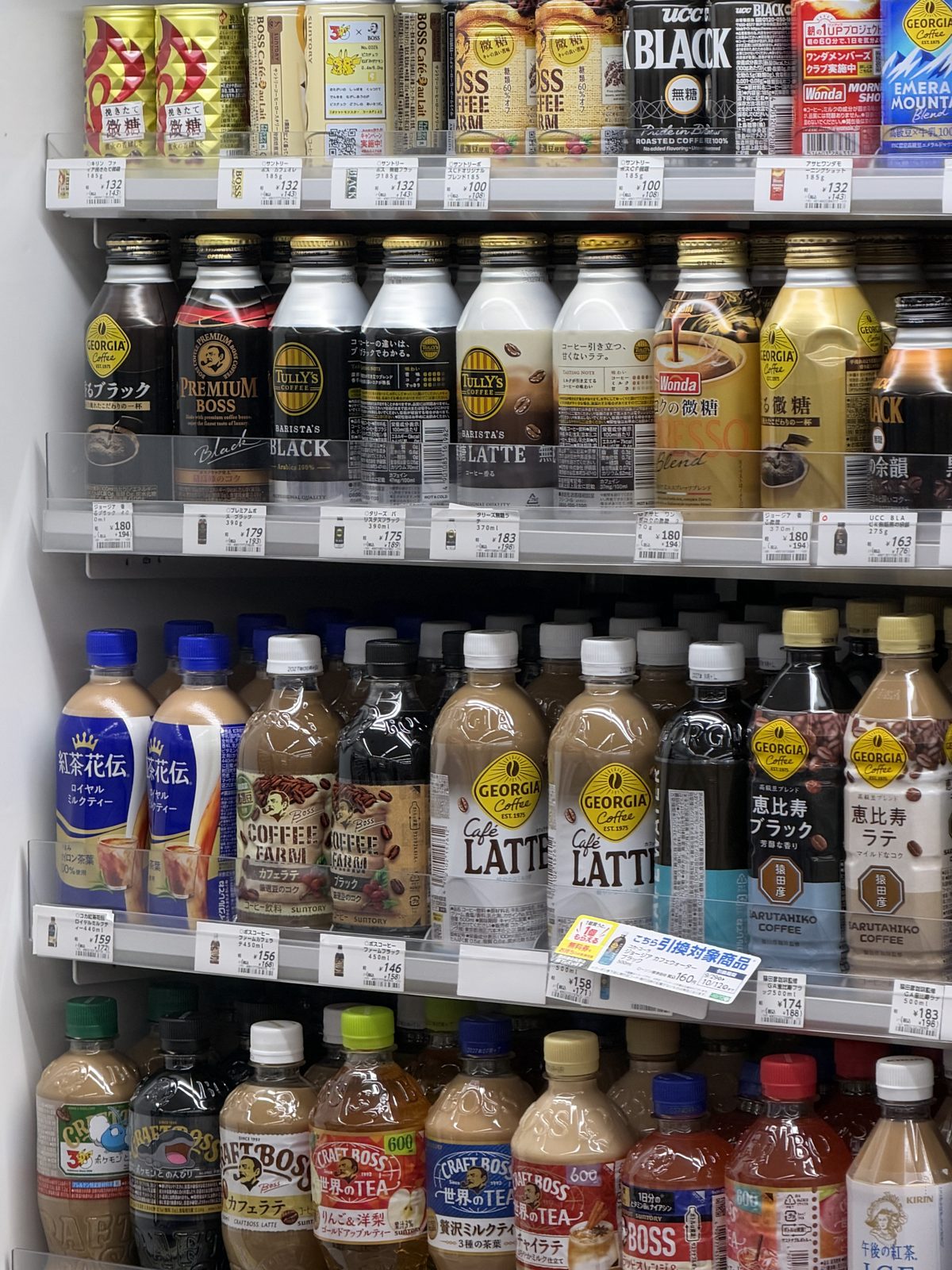
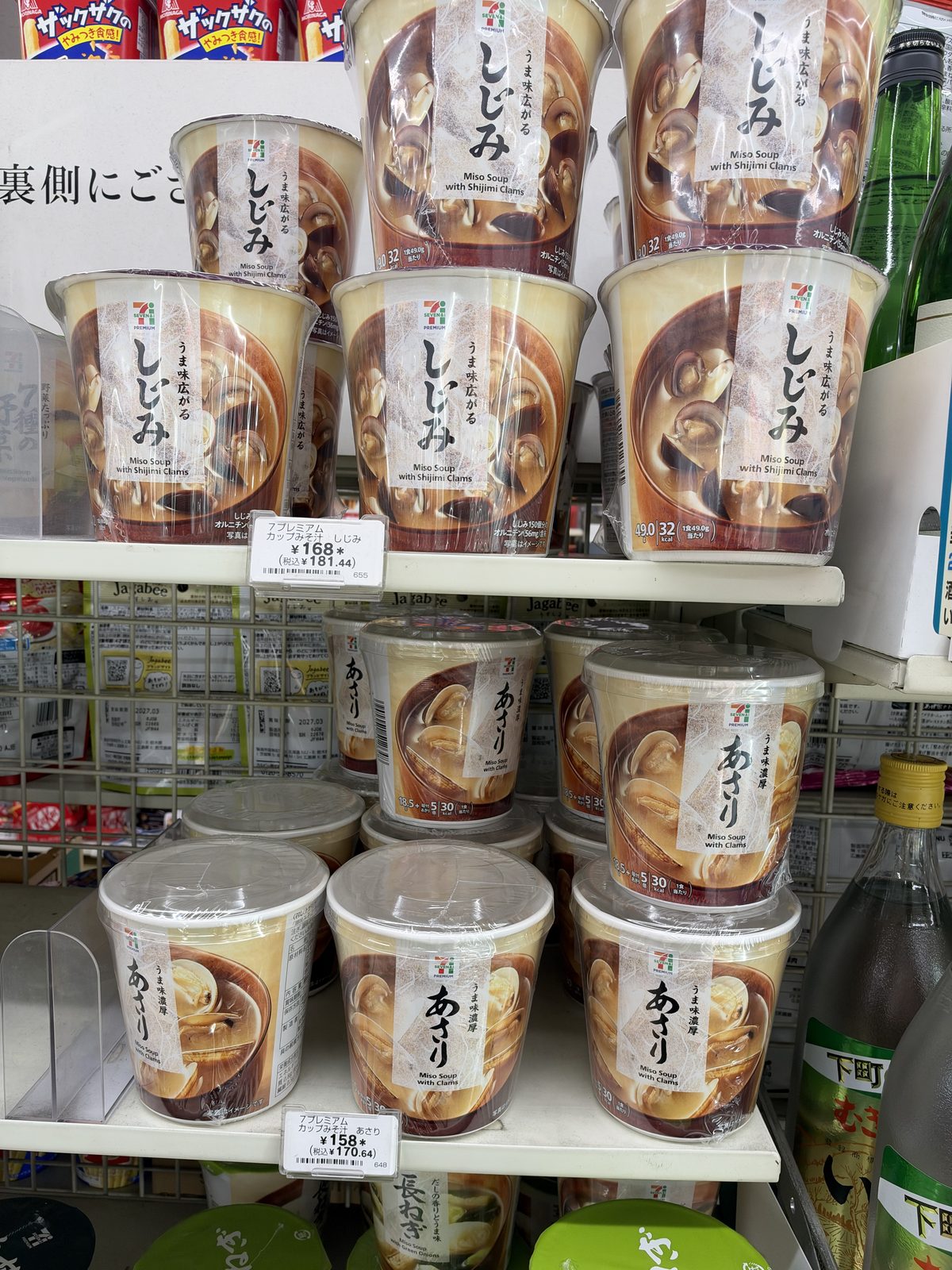
Pacing your food budget this way matters more than it sounds on a long trip. Two konbini breakfasts cost less than one hotel breakfast.
What survives a 12-hour flight, and what melts
Chocolate behaves differently in a checked bag than in a carry-on. The hold is cold in the air but your bag can sit on hot tarmac at both ends, and a carry-on rides in a heated cabin.
- Holds up well: senbei, hard candy, biscuit sticks in their box, wafer sweets, anything dry and individually wrapped.
- Risky in summer: plain chocolate bars and chocolate-coated biscuits. Pack them in the middle of clothing in the checked bag, not in a carry-on that sits in the sun on a shuttle bus.
- Do not try: chilled desserts, fresh mochi, cream-filled sweets and anything with a use-by date measured in days. These also risk being refused at the border as perishable.
Candy and chocolate themselves are generally fine to declare and carry, which is why they dominate this page.
Six seasonings that travel home easily
Sealed, shelf-stable and flat. These are the items that turn a souvenir into something you actually use.
- Furikake — dry rice seasoning in sachets or a shaker. Check the label: some contain meat.
- Shichimi togarashi — seven-spice chilli blend in a small cylinder. Weighs almost nothing.
- Sesame seeds, toasted or ground — sold in flat sealed packs.
- Yuzu kosho — citrus and chilli paste. A small tub, but it is a paste, so checked bag only.
- Matcha powder in a tin — sealed, light, and allowed everywhere covered below.
- Curry roux blocks — read the box. Many contain beef or pork and are not worth the risk.
Skip the soup stock. Dashi packs and bouillon cubes very often contain meat extract, and they are the single most common thing confiscated from a shopping haul.
What you cannot bring home
This is the part most shopping guides skip, and it is the part that gets suitcases opened at the airport. The rules are not the same everywhere, so the honest answer depends on where you are flying back to.
Safe almost everywhere: candy, chocolate, biscuits, senbei and rice crackers, packaged tea and coffee, and sealed seasonings that contain no meat.
Not worth packing anywhere: anything containing meat, fresh fruit and vegetables, plants and seeds, and fresh sweets that will not survive the flight.
The four countries most of our readers fly back to
| Going home to | The rule that catches people out |
|---|---|
| United States | Meat is generally not allowed, and that includes things you would not think of as meat: instant noodles and retort curry made with pork or beef, soup stock and bouillon cubes, and jerky. Rice is restricted because of pests. Fresh fruit, vegetables, plants and seeds are restricted or prohibited. US CBP: Prohibited and Restricted Items US CBP: Agricultural Items |
| United Kingdom | Coming from outside the EU, meat and meat products and milk and milk-based products cannot be brought into Great Britain at all. Fish is capped at 20 kg per person and honey at 2 kg. Chocolate and confectionery, biscuits, dried noodles without meat, and packaged soup, stocks and flavourings are fine. Fruit, vegetables, nuts and seeds are restricted. GOV.UK: Meat, dairy, fish and animal products GOV.UK: Bringing food into Great Britain |
| Canada | Every food item has to be declared, and most categories are capped at 20 kg or 20 L per person, including confectionery, snacks, tea and coffee. Eggs and egg products are not permitted from Japan. Only commercially prepared, cooked, shelf-stable meat in sealed containers is allowed at all, and further country restrictions sit on top of that, so meat is not worth the gamble. CFIA: Bringing food into Canada for personal use CBSA: Bringing food, plant and animal products into Canada |
| Australia | The strictest of the four. Meat is prohibited in every form, fresh, dried, preserved or cured, and whole eggs and egg products are prohibited too. Commercially packaged noodles and pasta made only from plant ingredients are permitted. Seeds need a phytosanitary certificate. Everything goes on the Incoming Passenger Card. Australian Border Force: What food can you bring in? Australian Government DAFF: Bringing or mailing goods to Australia |
Declare everything, wherever you land. If you declare food and it turns out you cannot bring it in, it is taken away and that is the end of it. If you do not declare it, you can be fined: Australia can issue an infringement notice of up to A$7,280 and cancel your visa, and explicitly says you will not be penalised if you declare and present the goods. Rules also change by country and by year, so check the official page for your own country before you fly. Australian Government DAFF: Bringing or mailing goods to Australia
Get the free printable shopping list
Next: what to buy at 100-yen shops and how to shop a drugstore beauty aisle. Still working out the trip itself? Start with where to stay and how to move around.