
PLAN THE TRIP
Planning a Shopping Trip to Japan: Where to Stay and How to Move Around
Most of this site is about what to buy. This page is about the part that decides how much of it you can actually carry home: where you sleep, how you move between cities, and what you do with the bags in between.
Pick the neighbourhood before the hotel
For a shopping trip the station matters more than the building. You want to be able to drop bags between trips rather than carrying them all day.
- Tokyo. Shinjuku, Ikebukuro and Ueno all sit on multiple lines and have department stores, drugstores and 100-yen shops within a few minutes' walk. Ginza and Shibuya are pleasant to shop and less convenient as a base.
- Osaka. Namba and Umeda are the two obvious bases. Namba puts you next to Shinsaibashi and Den Den Town; Umeda is the better connection for day trips to Kyoto and Kobe.
- Kyoto. Around Kyoto Station if you are moving on quickly, Karasuma or Kawaramachi if you are staying put.
Rakuten Travel lists Japanese hotels and ryokan, including many small places that never appear on the international booking sites, and shows prices in yen with the domestic rate.
Five things to check before you book
These matter specifically when you are shopping, and none of them are obvious from the photographs.
- Will they accept a parcel for you? Most business hotels will hold a delivery addressed to you with your check-in date on it. This is the single most useful thing a hotel can do for a shopper.
- Luggage storage before check-in and after check-out. Standard at business hotels, far less reliable at small guesthouses.
- A coin laundry in the building. Washing mid-trip means packing less and leaving more room for what you buy.
- Room size. Japanese business hotel rooms are small. If you are spreading purchases out to repack, book one size up.
- A convenience store within a minute. Not a luxury. It is your breakfast, your cash machine and your packing tape.
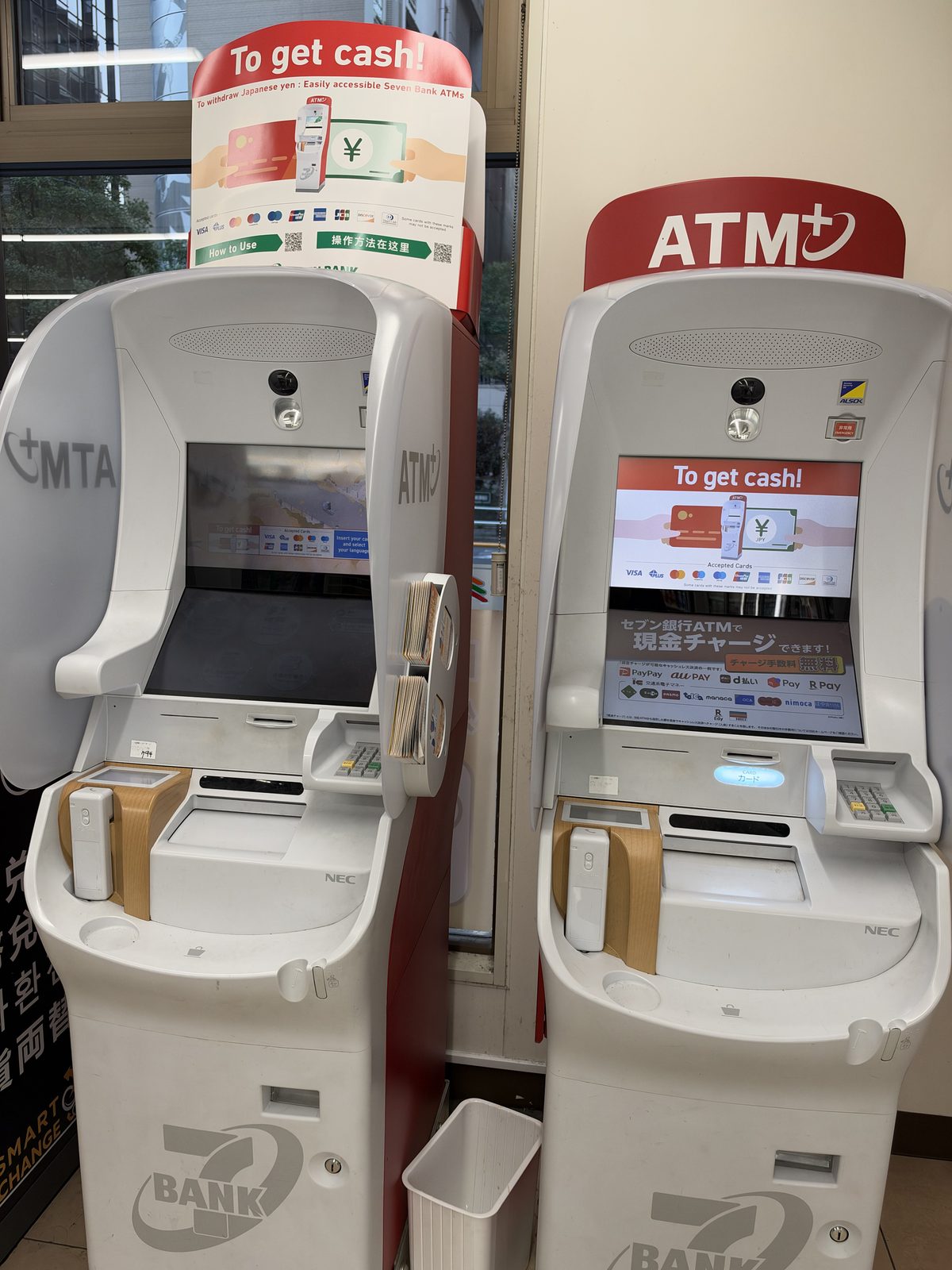
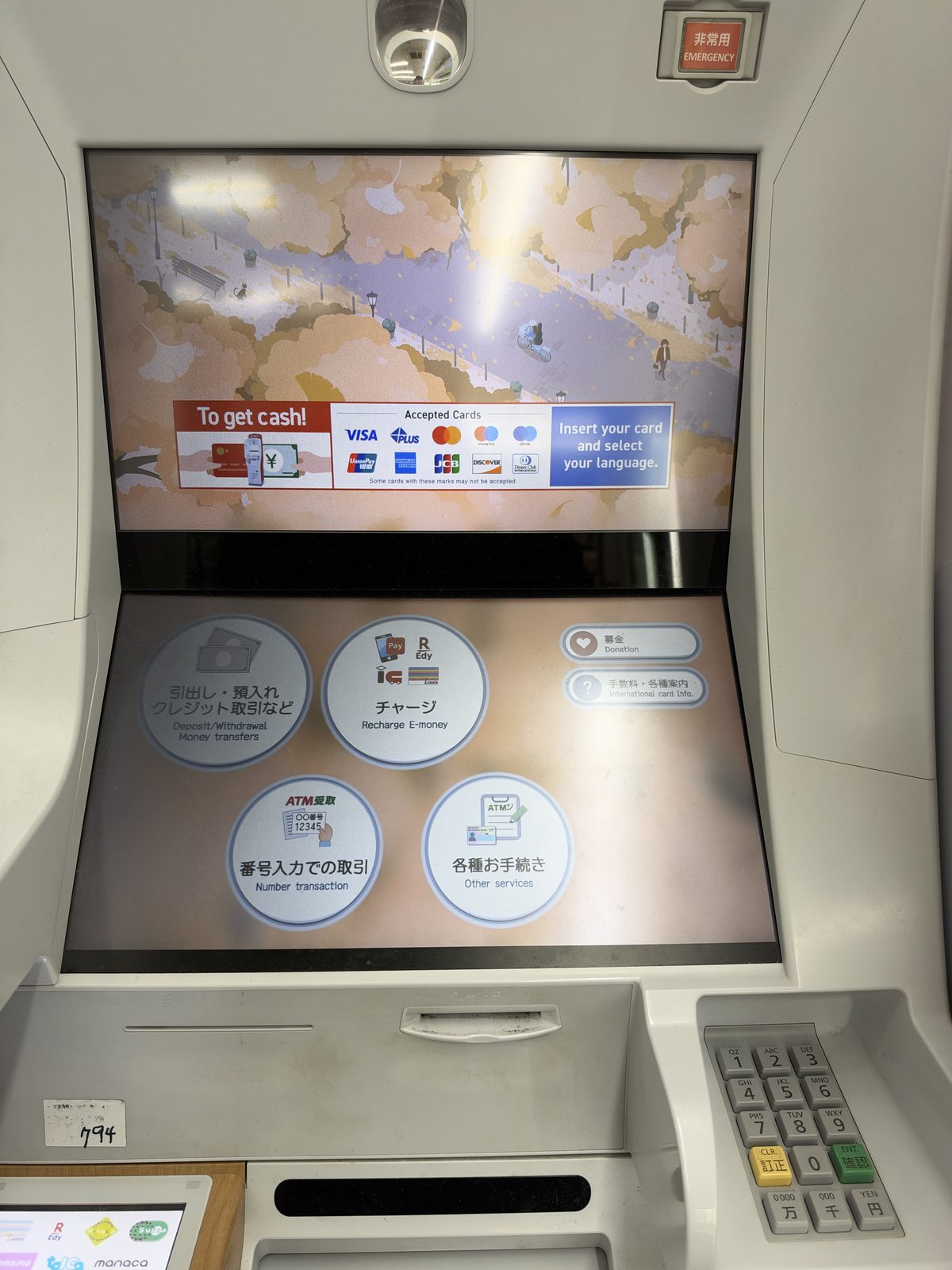
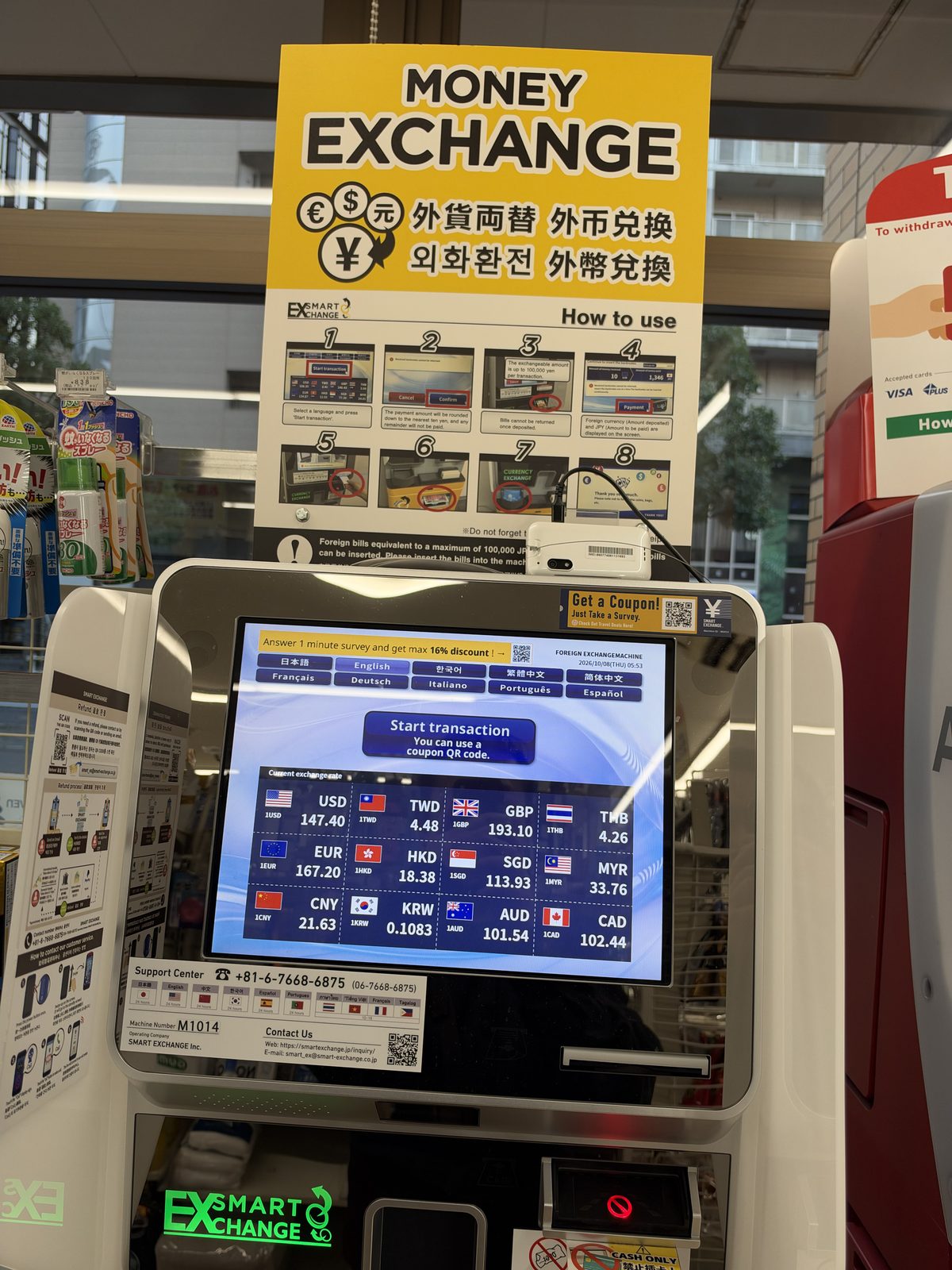
The machines in the larger chains take foreign cards and have an English menu behind the first button. If you would rather change notes, the exchange machines in the big stations run around the clock and do not need a counter.
Two things to buy before you fly
Most of the trip can be bought on arrival. Two things are easier from home. a Japan eSIM arrives as a QR code by email and is working before the plane lands, which means the maps and the translation app work from the first station. And the airport-to-city ticket, whether that is the Keisei Skyliner into Ueno or the limousine bus from Haneda, is the same price online but skips the counter queue on the day you least want to stand in one.
Send the shopping ahead instead of carrying it
Japan's domestic courier network, takkyubin, will move a suitcase between hotels by the next day for roughly 2,000 to 3,000 yen, about $13 to $20. Hotel front desks arrange it and convenience stores accept it directly.
- Hand it over by the early afternoon for next-day delivery in the same region.
- Address it to yourself care of the next hotel, with your check-in date written on it.
- Airport delivery works the same way, and is worth it on the last day.
The practical version: travel between cities with a small bag, and let the shopping meet you at the other end.
Moving between cities
Trains cover most of what a first trip needs. Domestic flights are worth comparing once the distance passes Tokyo to Fukuoka or Sapporo, where the train stops being the faster option.
- Shinkansen. Reserved seats have space behind the last row for large cases; oversized baggage needs a reservation on some routes.
- Domestic flights. Cheaper than the train on long routes if booked ahead, and the checked-bag allowance suits a heavy return leg. Compare the airlines directly; the low-cost carriers rarely appear on the international booking sites.
- Rail passes. Only worth it if you are genuinely crossing the country. For a Tokyo-and-Kyoto trip, single tickets usually cost less.
Timing
- From 1 November 2026 tax-free shopping becomes a refund collected when you leave, rather than a discount at the till. The tax-free section covers what changes.
- New Year and Golden Week raise hotel prices sharply and empty the shops of staff. Early December and late January are quiet and cheap.
- Seasonal packaging — the flavours and designs worth buying rotate roughly every six weeks.
Going deeper
- Where to stay in Tokyo — Shinjuku, Ikebukuro, Ueno, Ginza and Shibuya compared.
- Where to stay in Osaka and Kyoto — and whether to use one base or two.
- When to go — the tax-free change, the weeks to avoid, and when the sales run.
Next: what to buy once you are here and how to order the same things after you go home.